Interiors · December 20, 2025 · 7 min read
Light, Space, and Everything Between
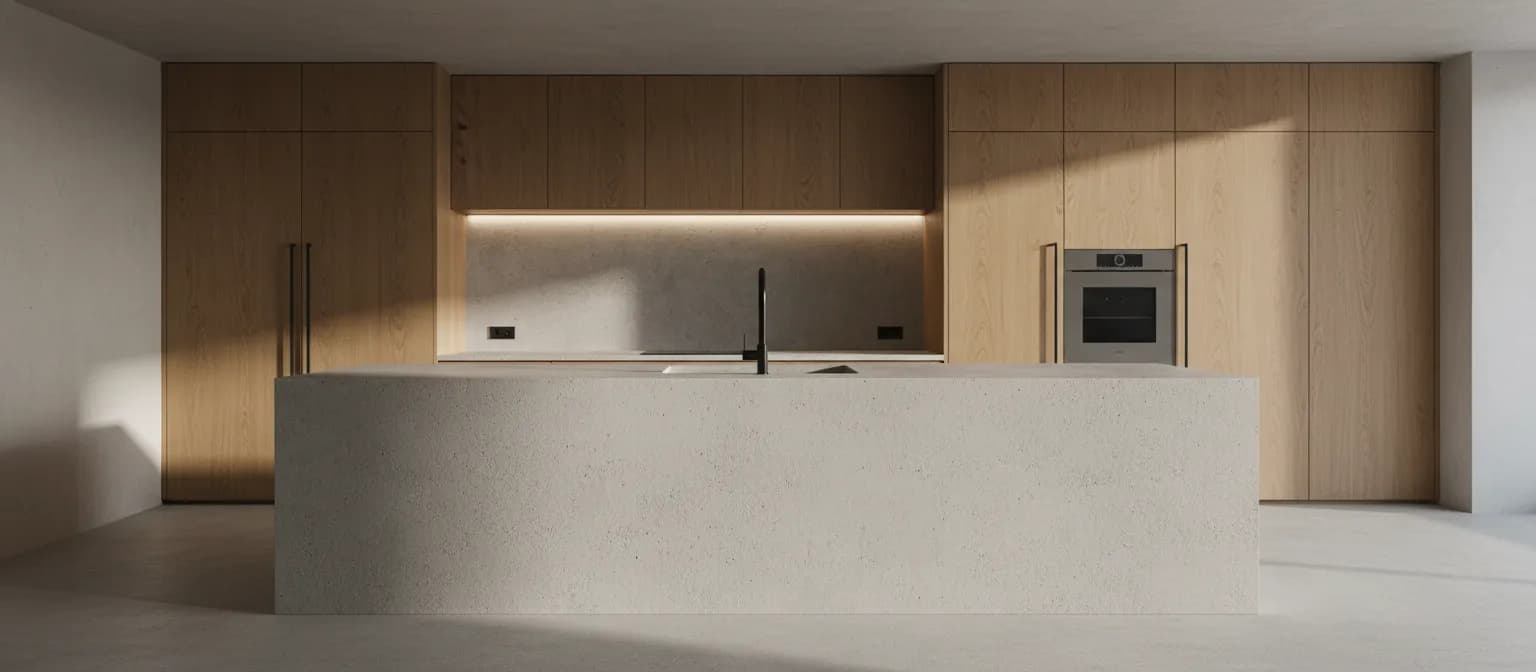
Ask any architect what matters most in a space, and sooner or later they will talk about light. Not artificial light — the kind you switch on and off — but the light that arrives uninvited through windows and doorways, shifting in color and intensity as the earth turns. This is the light that makes a room feel alive.
Natural light is the most democratic of design elements. It costs nothing, requires no installation, and yet it can utterly transform a space. A north-facing room has a cool, even quality that flatters books and artwork. A south-facing room is warm and dramatic, casting long shadows in winter and flooding with brilliance in summer. To understand the light in your home is to understand its character.
Designing for the Sun
The best interiors are not designed in spite of light but in conversation with it. This means thinking about placement — where the sofa catches the afternoon sun, where a reading chair benefits from morning brightness. It means choosing materials that respond to light: a linen curtain that diffuses it into a soft glow, a polished concrete floor that reflects it deeper into the room, a wooden surface that warms under its touch.
The Architecture of Shadow
We tend to think of light as the protagonist and shadow as its absence. But shadow is equally essential. It creates depth, defines edges, and gives objects their three-dimensionality. A room without shadow is flat and lifeless — think of an overlit office. The interplay between light and shadow is what gives a space rhythm, what makes moving through it a sensory experience rather than a merely functional one.
The Japanese tradition of in-ei raisan — in praise of shadows — reminds us that beauty often lives not in the brightest part of the room but in the corners where light fades into darkness. A well-designed home embraces both.