Living · December 5, 2025 · 5 min read
A Room of One's Own
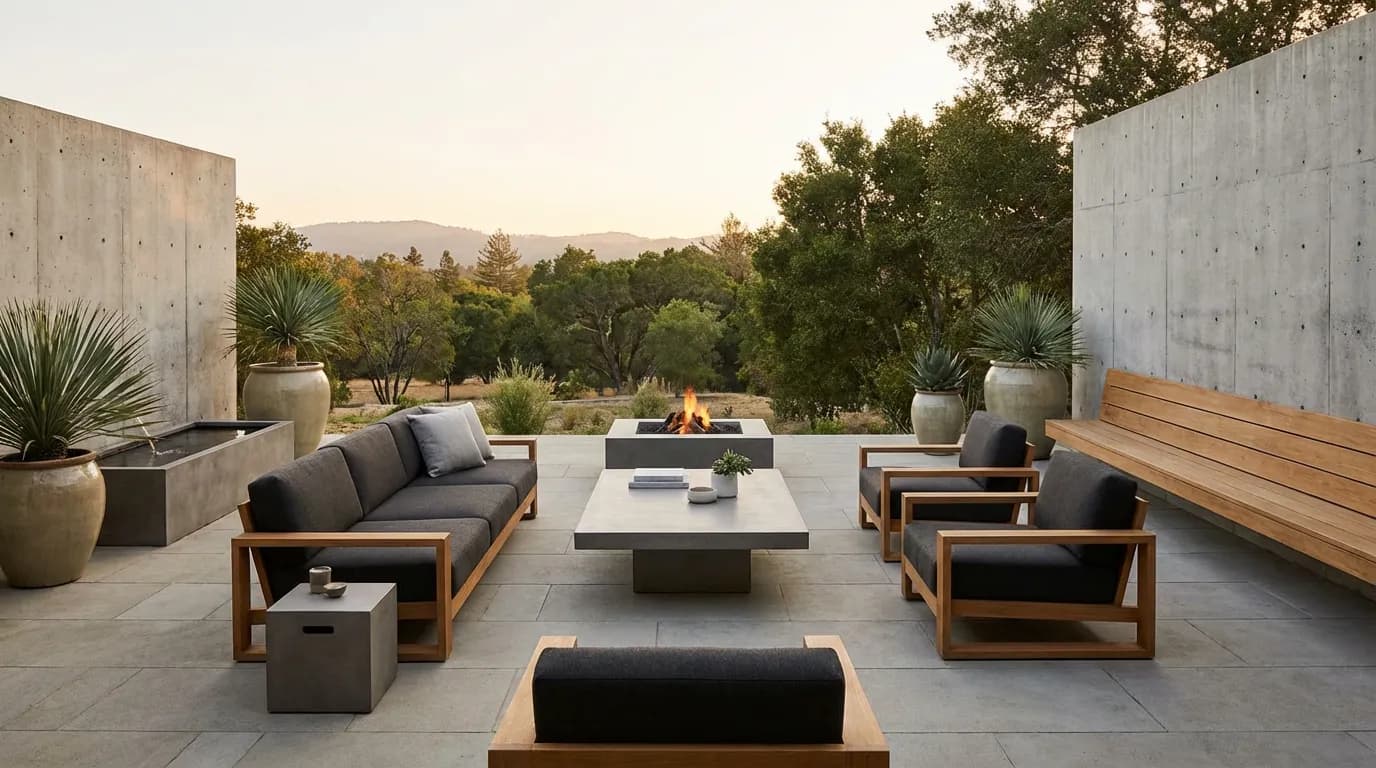
Virginia Woolf's famous essay was about independence and creative freedom. But strip away the literary context and you find a more universal truth: every person needs a space that is entirely their own. Not a house, necessarily, or even a room — but a corner of the world where the rules are yours to set.
In our current moment, this need has become more urgent. The boundaries between work and home, public and private, have blurred beyond recognition. The kitchen table is a desk. The bedroom is a meeting room. The living room is a gym. When every space serves every purpose, no space serves any purpose particularly well.
The Power of Boundaries
Creating a personal space is fundamentally an act of boundary-setting. It does not require square footage — it requires intention. A reading nook defined by a particular chair, a particular lamp, and a stack of books is a room of one's own. A desk positioned to face the window, with a closed door behind it, is a room of one's own. Even a morning ritual — the same mug, the same seat, the same five minutes of quiet — creates a kind of portable personal space.
Designing for Solitude
The challenge is not finding space but protecting it. This means resisting the urge to optimize every corner for productivity or social use. Some spaces should be inefficient. Some chairs should face walls, not screens. Some rooms should have no purpose at all beyond the purpose you bring to them in the moment. In a culture that prizes openness and connectivity, the most radical design choice might be a door that closes.